
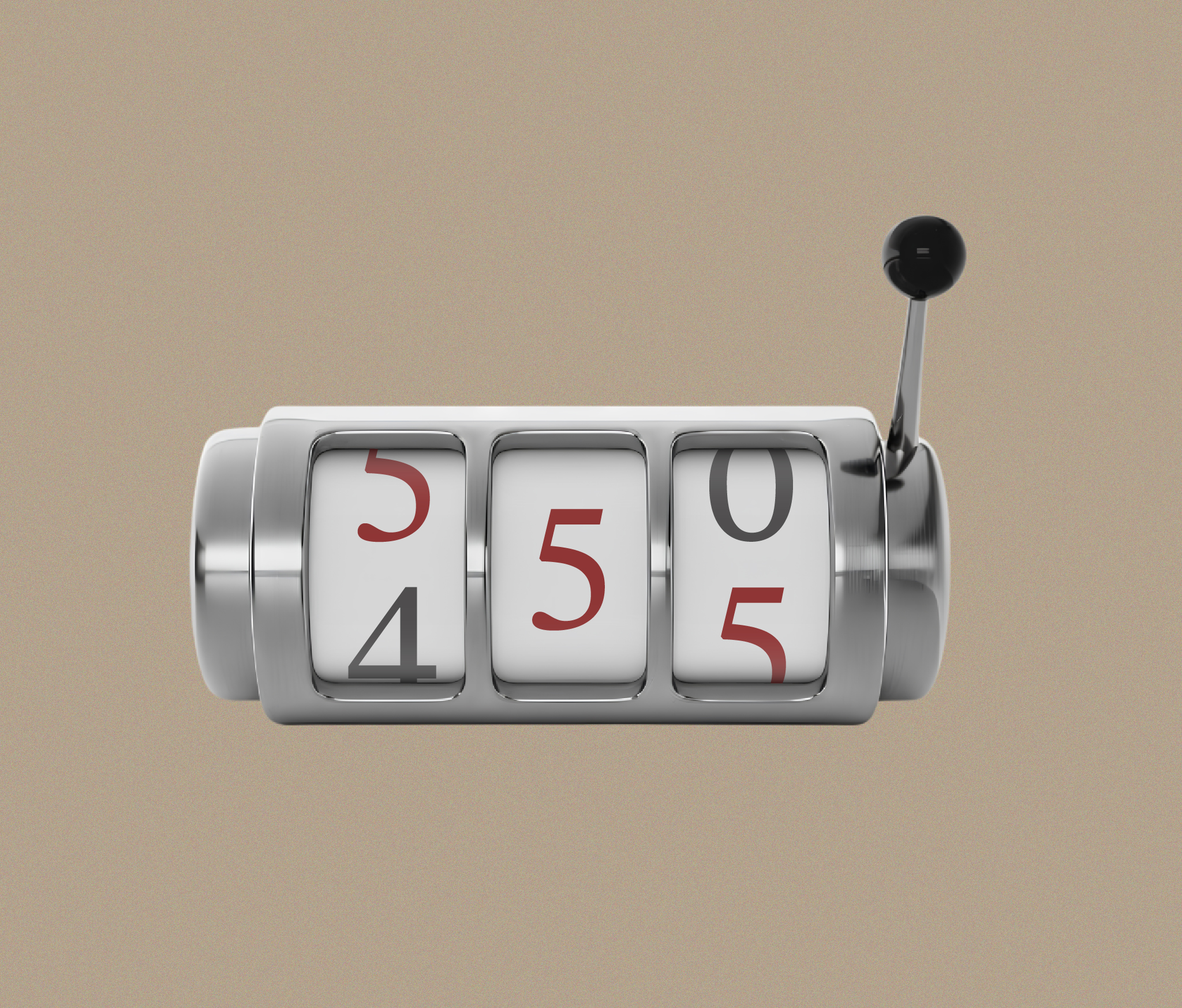
With one click, you can start a new game. Soon, it will be just as easy to decide to stop. Not “one last time today,” not “until payday,” but for five years. And there will be no way to reverse that decision tomorrow, next week or even a year from now.
Starting in 2027, online gambling websites and mobile apps in Armenia will be required to display a clearly visible “self-exclusion” button at all times. Once a person clicks it, their participation in gambling must be suspended within one minute, and the ban will remain in effect for five years. It cannot be lifted early. When the five-year period ends, the ban will automatically be extended for another five years unless the person requests its removal within five days of the expiration date.
But what can a single button really change in a person’s behavior when gambling has already become a habit — or developed into an addiction?
When Does the Game End?
Gambling addiction rarely begins with the realization that a person has a problem. More often, it starts with the opposite belief: that the situation is still under control.
Just one game, a little money, and then I’ll put my phone away. But that “then” can gradually move further out of reach.
Psychologist Mariam Voskanyan says one of the main signs of gambling addiction is a loss of control. A person can no longer control when they start gambling, how often or how long they play, or when they stop. Gambling also begins to take priority over other interests and everyday activities, and the person continues to gamble even when it has negative consequences.
The duration of the behavior is another factor in assessing the problem. For a diagnosis, symptoms generally must persist for at least 12 months, although this period may be shorter in severe cases when all the required symptoms are present.
There is another important point: A casino, including an online casino, can become much more than a place to try to win money. It can become a way to experience a particular feeling.
The online environment can make that process easier. Getting to a physical casino requires traveling somewhere, while an online casino is always within reach, on a phone or computer. It is available at any hour, and gambling can easily be hidden from the people around you.
The belief that “if it’s online, it can’t be that serious” can also allow the problem to deepen. According to Voskanyan, the anonymity of online gambling can reduce a person’s sense of accountability and make it easier to conceal their behavior from family and friends. This can create the illusion of control — the feeling that the situation is still manageable.
In reality, the line between the virtual world and everyday life can disappear quickly.
What Does Self-Exclusion Offer?
One of the key changes introduced by the new law is that people will be able not only to decide to stop gambling but also to make that decision binding through a technical restriction.
The button must appear not only on a platform’s homepage but on every page of the gambling website or app, where it must remain visible and accessible. It must occupy at least 5% of the visible page area or meet other criteria established by the government. The number of people currently self-excluded from gambling must also be displayed next to the button.
The most important part comes after the button is clicked. The user must see a single confirmation window with two options: “I confirm” or “I do not confirm.” Once the decision is confirmed, the operator cannot try to persuade the person to wait, reconsider, provide additional confirmation or withdraw the request. It cannot offer a bonus, another game or any other incentive. The person’s participation in gambling must be suspended within one minute.
This matters because, when someone is struggling with addiction, the decision to stop can change at the very moment they make it.
According to Voskanyan, people with addictions often deny that a problem exists. Reaching the self-exclusion button may therefore mean that a person has recognized their behavior as problematic. Choosing self-exclusion is not only an expression of that awareness but also a concrete step toward changing the situation.
It is equally important that the restriction not apply only to the website where the person clicked the button. The relevant data must be shared with gambling operators so the ban takes effect across other platforms as well. In other words, the option of saying, “I won’t gamble at this casino; I’ll just use another one,” will no longer be available.
Are Five Years Enough?
This is where the law’s reach ends — but the problem of addiction does not.
Five years may seem like a long time, but it is no magic number when it comes to psychological dependence. According to Voskanyan, there is no single period that will be enough for everyone to overcome gambling addiction. The outcome depends on a person’s individual characteristics and life experiences.
What’s more, if gambling has become a way to cope with stress, escape boredom or get away from everyday worries, cutting off access to casinos does not necessarily address the underlying need.
A person may go five years without gambling. But if they have not understood why gambling became such an important part of their life, they may return to the same behavior the next time they face a difficult situation.
That is why, according to the psychologist, technical restrictions are important but not enough on their own. Addressing the causes of problematic gambling may require psychological support and psychotherapy.
Perhaps the most interesting aspect of self-exclusion is precisely this: At first glance, it may seem like a mechanism that limits a person’s freedom. But if addiction has already begun to limit their ability to make choices, having a way to stop gambling may instead be an attempt to regain control.
An earlier version of the legislative package also proposed banning people whose sole source of income was a pension from participating in gambling. That proposal was included in a package presented in May. The scope of the restrictions changed in the final version of the law. Under the adopted rules, people age 70 and older are also prohibited from gambling, along with several other groups defined by law, including certain public officials and people working in the public sector.
The new self-exclusion mechanism, however, is intended for anyone who decides they want to stop.
And perhaps that is its most important purpose: Sometimes, the first step toward regaining control is not trusting your willpower one more time, but setting a boundary that will be difficult to cross later.
Because sometimes, winning does not mean taking home more money. It means knowing when to step out of the game.